


Fall Monitors Save Lives: What You Should Know—And How Medicare Helps

Chanel Daniels | January 23, 2026

Falls are one of the most serious health risks facing older adults, yet they are also one of the most preventable. Each year, millions of seniors experience a fall, and many of these incidents occur when no one else is around to help. This is where fall monitors—also known as personal emergency response systems (PERS)—can make a life-saving difference. These devices provide 24/7 monitoring and instant access to help at the push of a button or even automatically through built-in sensors. Fall monitors aren’t just helpful technology; they are powerful tools that support independence, safety, and peace of mind for older adults and their families.


Fall monitors come in several varieties, including wearable pendants, wristbands, and smart sensors placed around the home. Many modern devices use advanced fall-detection technology that can automatically alert emergency services if a fall is detected, even if the user is unable to press a button. For aging adults who want to remain in their homes longer, these monitors act as a safety net, ensuring that help is always available. This rapid response is crucial because timely medical attention dramatically improves outcomes after a fall.


Medicare plays an important role in helping seniors access fall-prevention resources, but coverage can vary. Original Medicare (Parts A and B) does not typically cover the cost of personal emergency response systems, including fall monitors. However, many Medicare Advantage (Part C) plans now include supplemental benefits that may help pay for these devices—especially plans focused on chronic care management, safety benefits, or in-home support services. Because each Medicare Advantage plan may choose whether to offer benefits beyond those covered by Medicare, it's important for beneficiaries to review their plan’s details or speak with a licensed Medicare agent to understand what is available in their area.


In addition to device coverage, Medicare offers preventive services aimed at reducing fall risk. This includes an annual wellness visit, during which a healthcare provider assesses fall risk, reviews medications, and recommends balance or mobility screenings. Medicare Part B may also cover physical therapy to improve strength and stability when medically necessary. Combining these preventive services with a fall monitor creates a strong safety strategy that can significantly reduce the chances of serious injury.


Fall monitors also provide emotional peace of mind. Many older adults fear falling more than they fear other health events, and that fear can limit activity and independence. Knowing that help is only a button-press away—or automatically detected—can restore confidence and encourage healthy, active living. Families also feel reassured knowing their loved one has reliable support around the clock, especially if they live alone or have a history of falls.


As technology continues to advance, fall monitors are becoming smarter, more affordable, and easier to use. For many seniors, they are no longer optional but essential. They offer immediate life-saving assistance, support safe aging at home, and complement Medicare’s preventive care benefits. For anyone looking to protect themselves or a loved one, exploring fall-monitor options and reviewing Medicare coverage is a meaningful step toward safer, more independent living.


Group of people smiling and relaxing outdoors on a sunny day.
By Chanel Daniels February 18, 2026
Learn seven research-backed lifestyle changes that can help reduce your risk of dementia and Alzheimer’s and support long-term brain health.

Two medical professionals consult with a patient in a hospital room.
By Chanel Daniels February 4, 2026
Medicare hospital coverage has limits. Learn how Medigap plans help cover extended hospital stays and reduce out-of-pocket costs.

Graduates in black gowns toss mortarboards in the air, orange tassels visible.
By Chanel Daniels January 30, 2026
Discover how permanent life insurance builds cash value you can use for emergencies, retirement income, long-term care, and legacy planning—while providing lifelong protection.
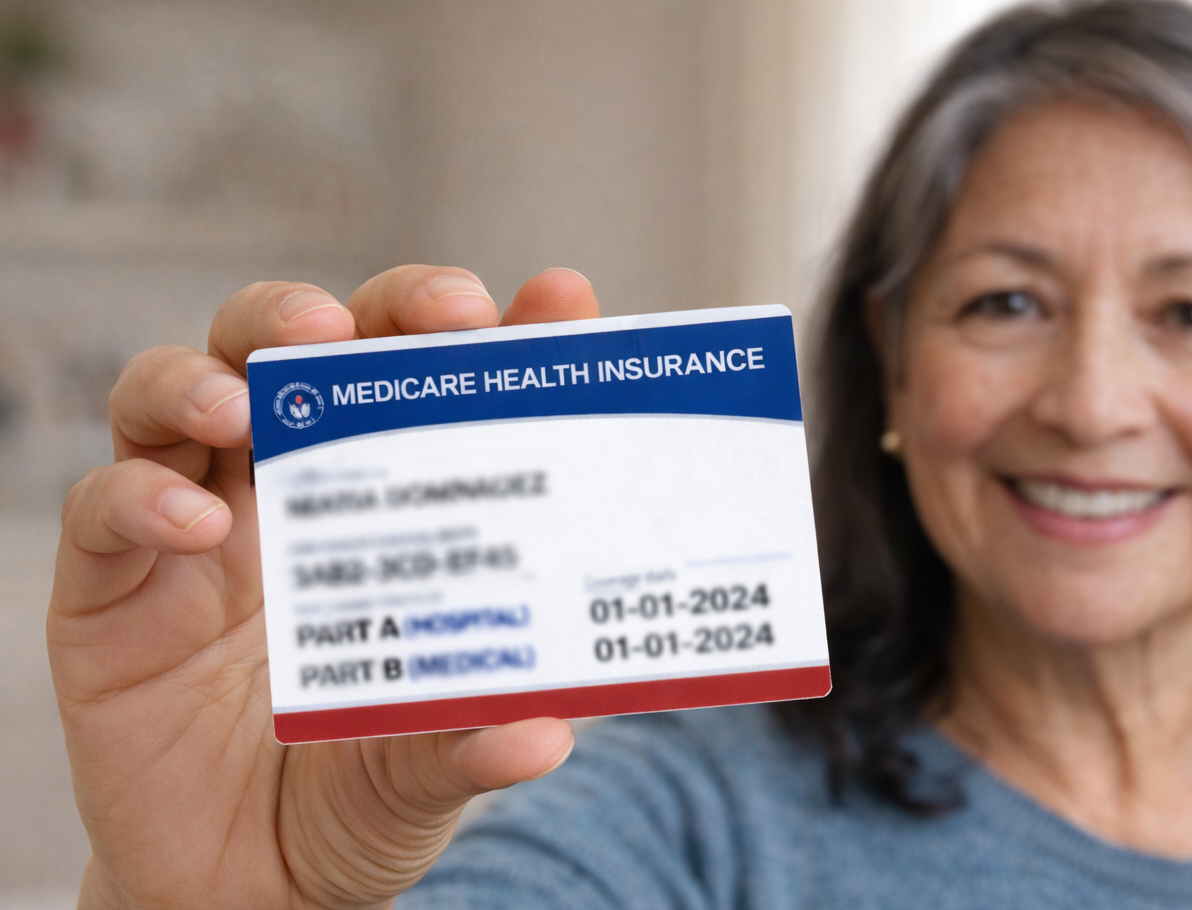
Woman holding a Medicare health insurance card, smiling, with a blurred background.
By Chanel Daniels January 16, 2026
Enrolled in a new Medicare plan? Read practical tips to help you transition smoothly, from reviewing plan materials and sharing your new ID card to confirming coverage and prescriptions.

Man with gray hair and beard holding a phone to his ear, looking down thoughtfully indoors.
By Chanel Daniels January 9, 2026
Medicare fraud and scams can put your benefits and identity at risk. Learn common Medicare scam tactics, red flags, prevention tips, and how to report suspected fraud.

Family on pier watching sunset over ocean.
By Chanel Daniels November 24, 2025
Term vs. Whole vs. Universal Life Insurance: Understand the core differences. Learn about guaranteed vs. flexible premiums, cash value growth, and which policy best fits your budget and long-term financial goals.

Couple smiling on a bicycle; woman embraces man from behind. Outdoors, sunny day.
By Chanel Daniels November 10, 2025
Are you a Medicare "snowbird" who lives in two states? Learn the key differences between Original Medicare, Medicare Advantage, and Medigap for travelers to ensure you stay covered anywhere in the U.S.

Person's hand held by another while squeezing a yellow stress ball; sitting, indoors.
By Chanel Daniels November 3, 2025
Don't assume Medicare pays for long-term care! Learn the critical difference between Assisted Living, Custodial Care, and Skilled Nursing, and what Medicare actually covers (and what you must plan for).

Smiling man with sunglasses holding cupcakes with
By Chanel Daniels October 31, 2025
Turning 65? Learn when to enroll in Medicare Parts A & B, how it works with employer insurance, and key deadlines to avoid late enrollment penalties.

An older man points at a computer screen as an older woman uses a mouse. Light-filled room.
By Chanel Daniels October 25, 2025
Don't make costly mistakes during Medicare AEP (Oct 15 - Dec 7)! Learn the 6 common errors to avoid, including ignoring your ANOC and missing the enrollment deadline.
Show More